


Workers’ Comp or Workers’ Con?

Updated: Feb 26
HOW TO PROTECT YOUR BUSINESS FROM FRAUDULENT CLAIMS

When it comes to workplace injury claims, diligence is non‑negotiable. Most employees who file workers’ compensation claims are legitimately injured and deserving of support. However, employers occasionally encounter reports that appear inconsistent, exaggerated, or strategically timed — situations where clarity requires more than routine HR review.
Equites Private Intelligence specializes in uncovering the truth behind sensitive claims. Our investigators bring disciplined methodology, advanced surveillance capabilities, and intelligence‑driven analysis to help organizations evaluate questionable or high‑risk cases with precision and discretion.
Below is the structured approach we recommend when navigating potential fraud or misrepresentation.
Step 1: Document Immediately and Thoroughly
Start with verified facts and establish a detailed record of the incident, including time, location, witnesses, reported symptoms or injuries, environmental or workplace conditions, and any available surveillance or access‑control data. A timely, structured incident report becomes the backbone of any subsequent investigative review.
Step 2: Review Medical Consistency
Compare the reported injury against job duties, the incident description, and medical documentation. Indicators of concern include delayed reporting, vague or shifting complaints, and resistance to independent medical evaluation. The goal is clarity, not confrontation.
Step 3: Conduct a Professional Interview
Engage the employee respectfully and methodically. Key questions explore the moment of injury, the tasks being performed, and any history of similar symptoms or prior claims. Tone matters; the purpose is fact‑finding, not accusation.
Step 4: Leverage Surveillance and OSINT
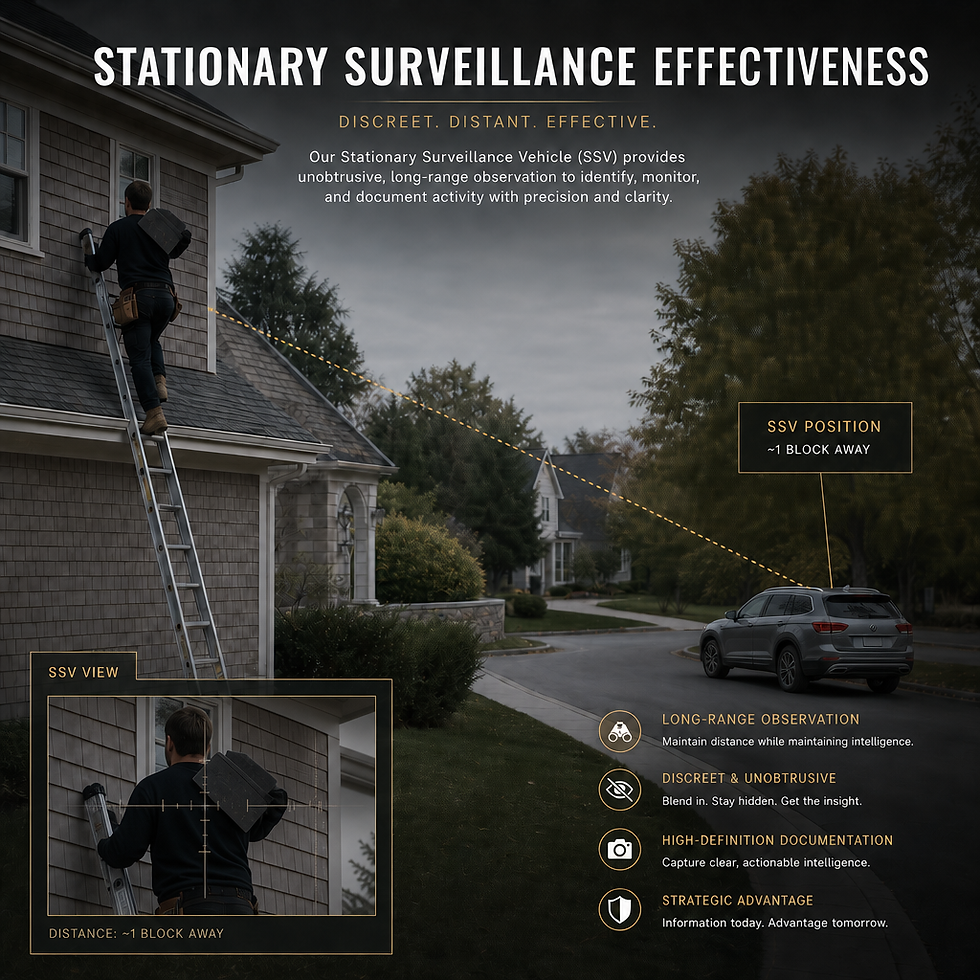
When appropriate, discreet surveillance or open‑source intelligence can provide essential context. Red flags may include activity inconsistent with reported limitations, social media posts contradicting restrictions, or behavior patterns that conflict with the claimed injury. Equites Private Intelligence uses ethical, legally compliant investigative methods to validate or challenge reported limitations.
Step 5: Report, Evaluate, Act
Once evidence is collected, EPI assists clients in compiling findings into litigation‑ready reports, determining whether escalation is warranted, and maintaining defensible documentation for compliance and future reference. Every case is unique and must be handled with impartiality, discretion, and strict adherence to regulatory standards.
Protect Your Organization With Intelligence‑Driven Clarity
When workers’ compensation concerns arise, Equites Private Intelligence provides the investigative rigor, discretion, and evidentiary strength needed to support informed, defensible decisions.


Comments