


Inside Job: The Hidden Ways Employees Steal From Your Business

Updated: Feb 26

Employee theft remains one of the most costly and underestimated threats facing small and mid‑sized businesses. Even organizations with strong cultures and trusted teams can fall victim to internal fraud, theft, and embezzlement — often occurring quietly, systematically, and over long periods of time. Below are ten of the most common methods employees use to steal from employers, along with the industries most vulnerable to each scheme.
1. Payroll Fraud
Employees manipulate payroll systems by inflating hours, adding ghost employees, or issuing unauthorized bonuses. Because payroll is often trusted and automated, these schemes can continue for months or years before losses are detected.
Industries most affected:
Healthcare – Inflated staffing hours and fraudulent overtime
Retail – Buddy punching and ghost employee schemes
Construction – False subcontractor payments and excessive overtime padding
2. Investory Theft
Employees steal merchandise, supplies, or raw materials for personal use or resale. In warehouse environments, theft may be concealed through falsified returns, altered counts, or manipulated inventory systems.
Industries most affected:
Manufacturing – Stolen tools, components, and raw materials
Retail – Theft for personal resale or misuse of employee discounts
Warehousing & Logistics – Unauthorized removal of high‑value goods
3. Expense Reimnursement Fraud
Employees submit fake, inflated, or duplicate receipts, disguising personal expenses as business‑related. These schemes often remain hidden until a detailed audit uncovers inconsistencies.
Industries most affected:
Corporate Offices – Fabricated meal and travel claims
Sales & Marketing – Excessive mileage and entertainment expenses
Professional Services – Duplicate invoices for training or equipment
4. Skimming Cash Payments
Employees pocket cash before it is recorded in the accounting system. Because the funds never enter the books, detection can be extremely difficult without surveillance or transactional analysis.
Industries most affected:
Restaurants & Hospitality – Altered receipts and unreported cash sales
Retail – Cash taken from undocumented transactions
Automotive Services – Off‑the‑books repairs and cash‑only side jobs
5. Vendor Kickbacks and Fake Invoices
Employees collude with vendors to inflate prices, approve unnecessary purchases, or split profits through kickbacks. In more sophisticated schemes, employees create entirely fake vendors and submit invoices for services never rendered.
Industries most affected:
Construction & Contracting – Inflated bids and unnecessary materials
Healthcare & Medical Equipment – Fraudulent service contracts and supply scams
Government & Nonprofits – Fake invoices hidden within large budgets
6. Gift Card & Coupon Fraud
Employees exploit gift cards, loyalty points, or discount systems for personal gain. Digital platforms make these schemes easier to execute and harder to trace.
Industries most affected:
Retail – Unauthorized issuance of gift cards or discounts
Hospitality – Misuse of perks and comp systems
E‑commerce – Manipulation of digital promo codes
7. Intellectual Property Theft
Employees steal proprietary data, client lists, trade secrets, or software — often using confidential information to benefit a competitor or launch their own venture.
Industries most affected:
Technology & Software Development – Theft of source code or patents
Legal & Consulting – Misuse of client records and sensitive documents
Manufacturing – Leakage of proprietary designs or processes
8. Overcharging Customers & Pocketing the Difference
Employees inflate prices, add unauthorized fees, or charge for services not performed, keeping the excess for themselves.
Industries most affected:
Auto Repair & Maintenance – Fraudulent add‑on repairs
Financial Services – Unauthorized client charges
Retail Sales – Overcharging customers for discounted items
9. Supply Chain Manipulation
Employees alter shipping records, divert inventory, or collaborate with external partners to steal goods or manipulate pricing.
Industries most affected:
Warehousing & Distribution – Misrouted shipments for resale
Food & Beverage – Manipulated supplier records
Manufacturing – Redirected equipment or raw materials
10. Time Theft
Employees claim work hours while engaging in personal activities, leaving early, or failing to show up for scheduled shifts.
Industries most affected:
Call Centers & Remote Workforces – Misreported hours
Retail & Hospitality – Extended breaks and dishonest shift coverage
Security & Maintenance Services – Missed shifts or falsified patrol logs
How Equites Private Intelligence Uncovers Hidden Theft & Embezzlement
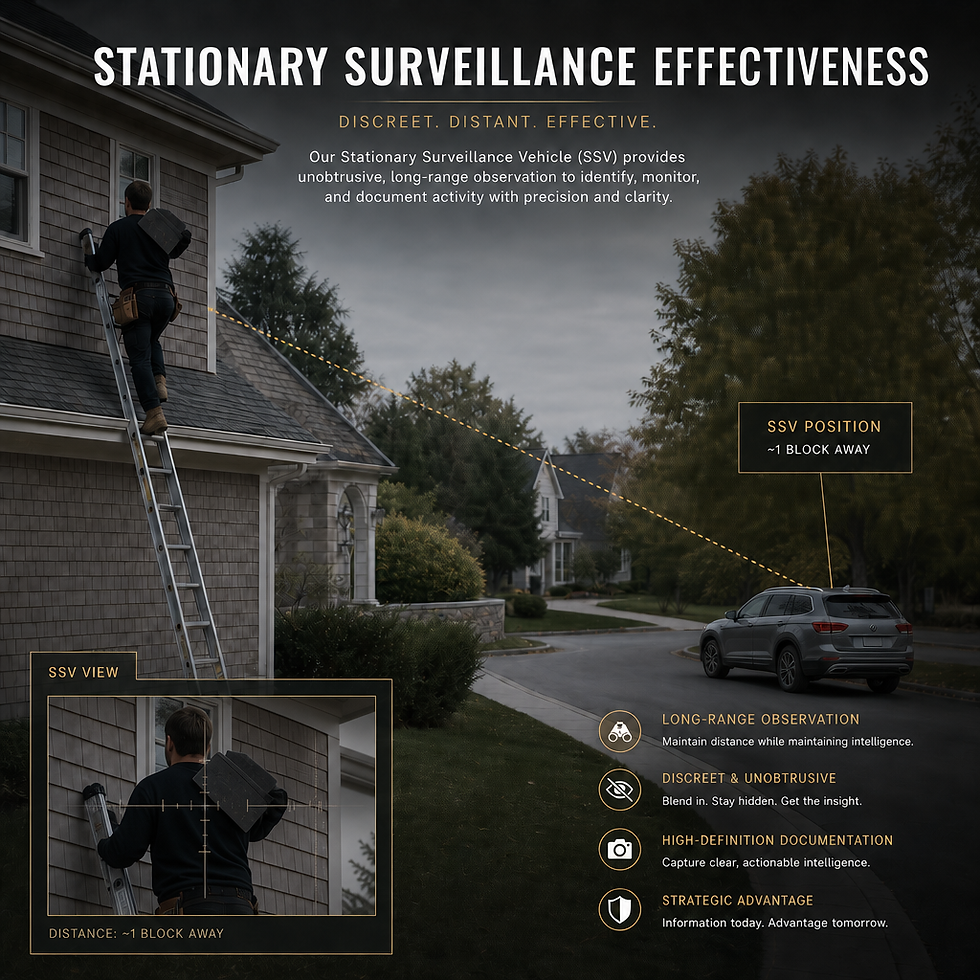
At Equites Private Intelligence, we specialize in identifying and documenting internal theft with precision, discretion, and evidentiary strength. Our investigators have uncovered significant losses for clients across multiple indus
tries using:
Covert surveillance to validate activity and behavior
Forensic accounting and financial analysis to trace irregularities
Undercover operations to expose internal collusion
OSINT and digital intelligence to identify external partnerships or concealed assets
Internal theft rarely stops on its own — it escalates until detected.


Comments